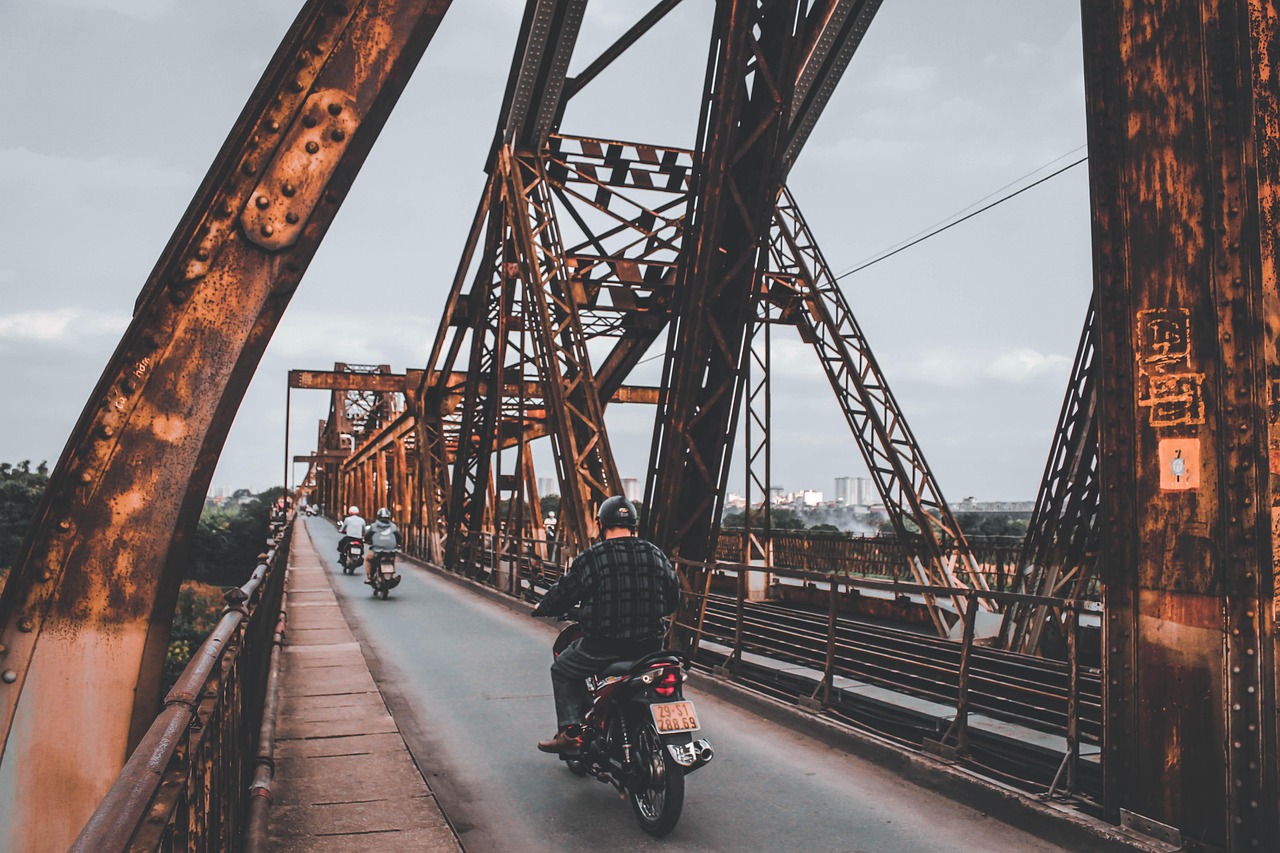
Navajo Bridge and Interpretive Center
Condors, a canyon and a free walk in the sky
⏱ 30-60 minutes👤 All agesFree
Get Tickets
Get Navajo Bridge Tickets
Skip the line · mobile tickets accepted at the door
Before the bridge, crossing here meant the ferry at Lees Ferry, a few miles upstream, and the river claimed lives in high water; the ferry's last sinking, in June 1928, came while the bridge was under construction. Work on the steel arch began in June 1927, traffic first rolled across in January 1929, and at the time it was the highest steel arch bridge in the world. About 7,000 people arrived in more than 1,200 cars for the dedication that June, and the Marble Canyon Lodge just up the road was already open to serve them. Originally called the Grand Canyon Bridge, it was renamed Navajo Bridge by the Arizona legislature in 1934. The old span is 834 feet long with an 18-foot roadway, and as traffic and truck sizes grew it became a hazard. So a new 909-foot bridge with a 44-foot roadway was built alongside with a matching arch profile and opened to traffic in May 1995 — a rare case of highway engineers deliberately preserving a historic view. The two bridges remain one of only a handful of road crossings of the Colorado along hundreds of miles of river. Walking the old span, you see the new one in parallel, and the pair frame Marble Canyon's opening upstream toward Lees Ferry and downstream into the Grand Canyon's first gorge.
Condor watching rewards a slow visit. The birds were brought back from the brink through captive breeding and have been released in the Vermilion Cliffs since the 1990s; the cliffs below the bridge and its steel girders are favored perches. Mornings and late afternoons are often best, when thermals build or fade. Do not approach or feed them — they are wild, protected and curious enough to land near people. River rafts from Lees Ferry also pass beneath the bridge on their first day, which makes a fine photograph from above.
Practicals: from Page, drive about 40 minutes south on US 89 and then west on US 89A; parking lots sit at both ends of the bridges, with the interpretive center on the west side. The walk across and back takes twenty to thirty minutes. Bring a telephoto lens for condors and a jacket for the canyon wind. Continue a few minutes west to the Lees Ferry turnoff, or on along the Vermilion Cliffs toward House Rock Valley and the Paria Plateau.
What to Expect
Format
A free pedestrian walk across the historic 1929 steel-arch bridge high above Marble Canyon, condor spotting from the deck, and an NPS interpretive center with exhibits on both bridges.
Best Time
Mornings and late afternoons for condors and softer light. Year-round stop; the interpretive center hours vary by season.
Duration
Thirty minutes to an hour.
Tips
Bring binoculars or a telephoto lens for condors and never approach them. The canyon wind can be strong on the bridge. Navajo vendors often sell jewelry on the east side.
⚡ Quick Picks
Best For
Every road trip toward Lees Ferry, the Vermilion Cliffs or the North Rim — it is right on the way.
Families
Kids love spotting condors and looking straight down at the river from a safe, railed walkway.
Couples
Golden-hour walk to the middle of the arch, with the Vermilion Cliffs lit up behind you.
Pair With
Lees Ferry and Cathedral Wash just down the road, or a White Pocket or Wave day.
Time Needed
Under an hour.
Ready to book Navajo Bridge?
Get Tickets →Frequently Asked Questions
Can we walk across Navajo Bridge?
Yes — the historic 1929 bridge is now pedestrian-only, with railings, and you can walk out over the river while traffic uses the parallel 1995 bridge.
Will we really see condors?
Often, but not always. California condors released in the Vermilion Cliffs frequently roost on and around the bridge. Patience, binoculars and morning or late-afternoon visits improve your odds.
Is there a fee?
No. Parking, the bridge walk and the interpretive center are free.
How high is the bridge?
About 467 feet above the Colorado River, in the narrow upper gorge of Marble Canyon.
Is the interpretive center open year-round?
The National Park Service lists the interpretive center as open year-round, though daily hours vary by season, so check before you go. The bridge walkway, parking and views are always available, and Navajo vendors often set up on the east side.
More Antelope Canyon Attractions
Browse all →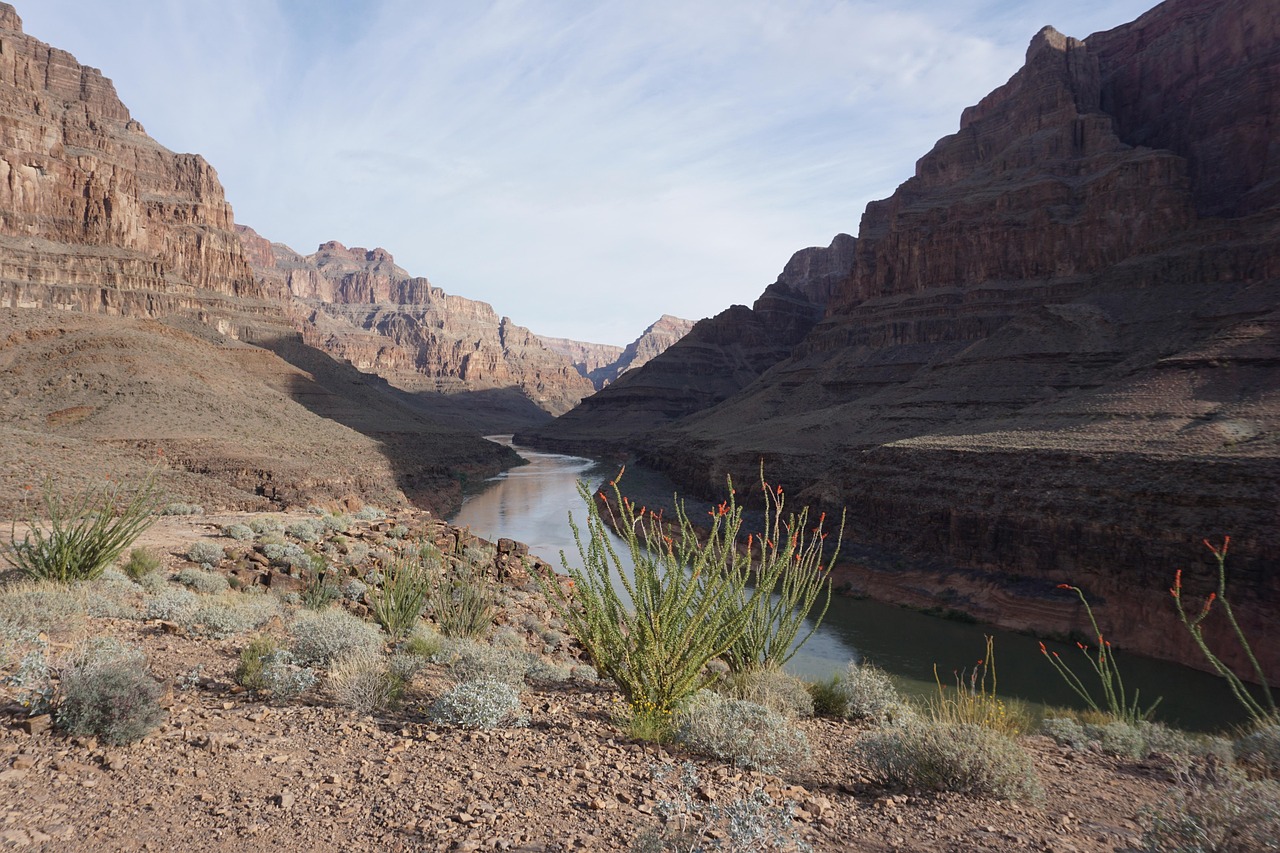
Lees Ferry and Lonely Dell Ranch
Mile zero of the Grand Canyon — the only place for hundreds of miles where you can drive down to the Colorado, with a pioneer ranch, a sunken steamboat, river trails and the launch beach where every Grand Canyon rafting trip begins.
Cathedral Wash Trail
A short, scrambly wash hike from the Lees Ferry road down through layered limestone ledges to the Colorado River at Cathedral Rapid — a free adventure with a real river at the end, and real flash-flood rules.
White Pocket 4x4 Tour
The Wave's no-lottery rival — a remote plateau of white-capped, red-swirled brain rock deep in the Vermilion Cliffs, reached only by deep-sand 4x4 tracks. Go with a Page-based guide and spend the afternoon inside a dreamscape.